
creativity COACHing
ONE-TO-ONE AND GROUP COACHING BY BEN TALLON

Pit Stop: The intensive one-to-one coaching session to get you fine-tuned and your creativity roaring
Pit Stop is The Creative Condition’s one-to-one, one-shot, no-stone-unturned coaching session. Whether you’re a founder who doesn’t know which way to turn to be fulfilled, creative, and a leader, a person leaving employment to enter the freelance market, starting out and in need of direction, or at a personal crossroads where your creativity is concerned, this session is flexible and deeply personal.
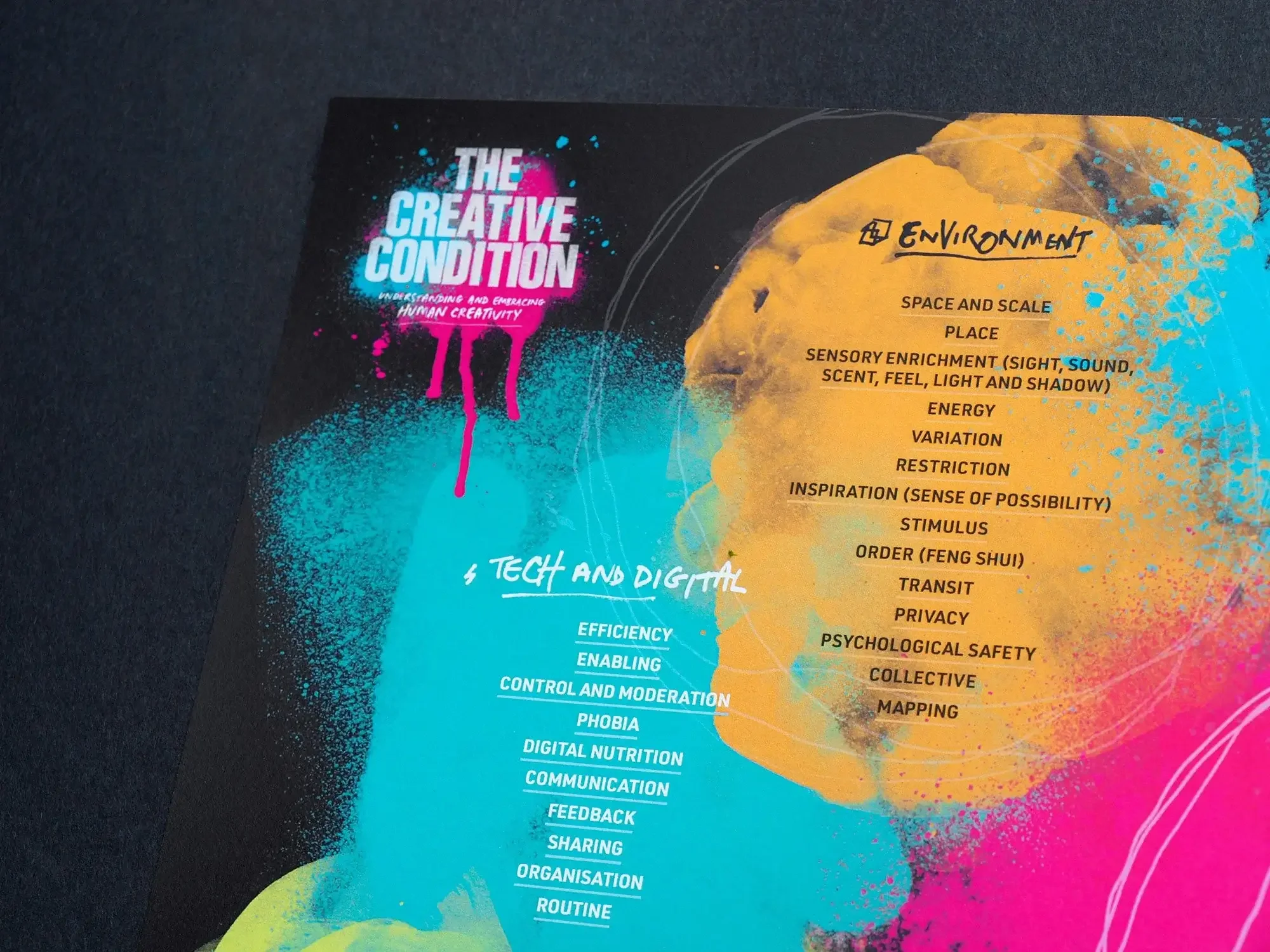
We’ll work together for between 3-4 hours to discuss your origin story, current position, and future hopes and fears before moving onto The Anatomy of Creativity framework. This is an ecosystem that ensures we highlight all opportunities, frustrations, blocks, and strengths across everything from your environment, sense of humour, and relationship with tech, right through to your body and brain relationship, your community, and resting skills! As ever, the focus is on maximising your ability to create and make magic, but anyone who understands creativity knows this is impossible without ensuring the human is heard, understood, and enabled. After our session, you’ll receive detailed notes of recommendation with accompanying exercises and tools to use moving forward into your next chapter. Of course, should we feel like there is more scope to work together in a longer program, we can have that chat, but the Pit Stop’s glory is in the title – it works as a standalone for graphic designers, artists, illustrators, writers, photographers, founders, CEOs, COOs, creative directors, and just about anyone else who needs better direction and command of their creativity.
Drop me a note via the form further down this page, or email me ben@bentallon.com, and we can explore whether we’re a good fit. Client testimonials can also be found below.
Creative therapy?
When I started working with California-based designer/animator Ryan Luse, he told me he’d been looking for such a thing as ‘creative therapy.’ He said he’d found what he was looking for. While I’m not a trained therapist, I’m a total empath and the coaching process is about the foundations of the human at the heart of your unique creativity. Here’s what the coaching looks like and why I do it this way.
No. Not business coaching, not life coaching, and not the screaming as you blunder around a running track kind, either. I’ve been in love with creativity - at least consciously - since 1998 when I walked into art college on ‘work experience’ and felt that magical energy of people creating around passions.
Why is creativity important?
Creativity is essential to human happiness.
It brings purpose and belonging to lives, illuminating the soul and gluing communities together. But to truly enable it, empathy, sensitivity, and a deep understanding of the human condition are required.
Why coaching with The Creative Condition?
I’ve watched creativity in motion, practiced it for the last 26 years, studied it formally for 15 years, written and spoken about it tirelessly. But my love and understanding of the human condition position me perfectly to help you optimise your creativity by taking care of the human first. Helping people become their best version doesn’t start with any creative act; it begins by addressing their core needs and mindset.
It’s incredibly difficult to make sense of our insanely paced lives. The world is in flux, and the rate of change is faster than we can comprehend.
That’s where I come in.
I coach individuals, groups, and organisations to elevate their understanding of themselves, to tell their story, and implement strategies to maximise and command their creativity.
Every person who works with me or attends a talk or workshop will receive a copy of my ‘Anatomy of Creativity’ framework to continue the work independently.
Whether you’re a GCSE student looking to develop your identity and understand creativity, a legend in your field feeling trapped by your previous work, or a business looking to create great work to rise above the sea of sameness, I’d love to help.
My grounding is in the arts, but creativity and optimism are essential to all, and that’s my expertise. I don’t care whether you’re a designer, artist, police officer, forensic scientist, monk, prisoner, boxer, soldier, or fly fisher. If this is for you, let’s talk.
WHAT… LIKE A BUSINESS COACH, OR…?

illustrator coaching
With 18 years of full-time freelance illustration experience and decades of study of what makes for a sustainable creative industry career, I decided to design a session to help illustrators navigate choppy waters. AI, economic strife, a climate of fear and risk aversion, and increasingly capable in-house studios are just a few of the challenges we face. But there’s no time for self-pity. To project every bit of you, the good, the bad, and the downright weird, is now essential. Aesthetic merits alone are no longer enough. Every creator must refine their offer, instilling the work with a tangible point of view and a consistent brand voice, humanity, and personality in every outpost and action.
IN THIS ONE-TO-ONE SESSION:
Part 1: 60 minutes of coaching to discuss your story, personality, passions, skill set, current situation, establishing frustrations, opportunities, hopes, fears, and other contributing factors to forward motion.
Part 2: 30-minute portfolio review and work through.
Part 3: Brand review, identifying ways to elevate tone of voice, visual identity, presentation, and storytelling.
To finish:
I’ll supply you with written notes of recommendation.
Drop me a note at Ben@bentallon.com or fill out the form further down this page, and we can arrange a quick call to see if we’re a good fit! Below you’ll also find my coaching client testimonials.

WHAT MY COACHING IS (IN A NUTSHELL)
In-depth, human needs-driven one-to-one and group training to enable and maximise original thinking, creative energy, and flow.
Expert guidance in empowering commercial and emotional work with great ideas and personality to thrive in the age of (AI) automation.
No bullshit, candid one-to-one conversations and customised group sessions to identify opportunities, flaws, frustrations, and blind spots in a creative ecosystem.
A unique cocktail of therapy, training, strategy, and creative empowerment.

WHAT MY COACHING IS NOT
I WON’T TELL YOU WHICH PROMOTION TO GO FOR, OR WHAT JOB TO TAKE. I CAN’T PROMISE TO INCREASE YOUR PROFIT IN A SET TIMEFRAME. THERE ARE COACHES AND BUSINESS MENTORS OUT THERE WHO ARE BETTER PLACED FOR THAT.
I CARE DEEPLY ABOUT PEOPLE AND CREATIVITY. WHAT I OFFER IS VERY HUMAN. THE TOOLS TO DETERMINE YOUR OPTIMAL ROUTE FORWARD WITH CONFIDENCE, GENERATING BRILLIANT, CHANGE-MAKING WORK, STORIES, AND IDEAS.
I LOVE HELPING PEOPLE KNOW THEMSELVES BETTER. TO TRUST THOSE PRICELESS INSTINCTS WE SACRIFICE ON THE ALTAR OF DATA. TO BLOW THEIR IMAGINATION OUT OF ALL PROPORTION, AND WALK INTO UNCERTAINTY WITH INNER AUTHORITY POUNDING LIKE A TOLKIEN BATTLE DRUM. ALL THOSE SHADY, MURKY, HILARIOUS BITS PEOPLE OVERLOOK OR HIDE… I LIKE TO STRAP THEM AROUND MY CLIENTS’ WAISTS LIKE BATMAN’S UTILITY BELT.
FOR THE HEAD
A friend once told me that people must be won over via the heart, but need intellectual confirmation for the head before they’ll commit.
We’ll get to the heart in a moment.
Who is Ben Tallon, and why should he be my coach?
I have two decades of creative industry experience as an illustrator and art director for The New York Times, The Guardian, The Premier League, UNICEF, Channel 4, and the BBC among others.
Champagne and Wax Crayons: Riding the Madness of the Creative Industries and The Creative Condition are my two books on creativity.
I’ve carried out 300+ long-form interviews on The Creative Condition podcast with thought leaders in and beyond the arts. From rockstars like Shaun Ryder, advertising legends like Sir John Hegarty, and neuroscientists like Anna Abraham, through to designers like Annie Atkins, Olympic gold medal winners like Ben Ryan, and psychology professors like Athena Aktipis, I’ve learned from the richest minds. Head to the podcast section of this site if you’d like to hear those.
I lecture and speak at Central Saint Martins, Royal College of Art, Kingston, and UAL alongside countless other universities. I also appear on the bill in decent slots at global creative industry festivals.
I write for Design Week, Creative Review, Idler, Creative Boom, Creative Bloq, The Times, and The Guardian.
By working with me, you’ll have personalised access to all of that understanding of creativity and the human condition.
FOR THE HEART
Creativity is my life’s cause. I’m a highly sensitive person. I see the good and the potential in people, and look for ways to transform the stuff they or others might consider bad. ‘Flaws’ can be the most powerful creative tools we have if we learn how to make use of them.
I take great pleasure in helping people find their bliss, creating forward motion, and fulfillment. I’ve been doing it since I was a child. It comes naturally to me. My coaching has been described as ‘creative therapy’ because you have to start with the basics to truly access a person’s true self.
An unhappy person can rarely create sustainably from a place of pain, or any negative headspace for that matter.
If capitalism collapsed tomorrow, I’d be doing this anyway. I do it daily on my local dog walk, in the pub, and when I visit high schools on career days.
If we can agree that creativity is fundamental to human happiness and essential for organisations and freelancers to maximise, to stay afloat in the sea of sameness, then maybe we’re a good fit. Let’s talk and find out.
Drop me a note below, and we can set up a quick call to say hello.
Maybe we’re right for each other!

Creativity in the age of automation…
AI is here. The toothpaste is not going back in the tube. It is neither good nor bad. How you respond to it will determine that. We all have the tools, so the challenge becomes elevating creativity. Do you understand creativity? Few that I’ve met do, even though they practice it. Conscious command and control of the elements it’s comprised of can be a game-changer for any of us. In too many cases, without this understanding and intentionality, creativity becomes a mere job title, a sign over the front door. That’s a shame because that’s not down to ability. It’s about the fact that at no point along the way in formal education do we ever learn about creativity’s nature. With all the will in the world, it’s incredibly difficult to enable it in your company, in your staff, and yourself without first truly valuing it, then knowing how to ensure everyone else has the means and psychological safety to use it properly.
Do you recognise the opportunity to lead in this moment? We’re entering the replication revolution.
The opportunity to make magic, to fill a building with people who crackle and glow with purpose, soul, imagination, and fight is here. But it can only be taken if what you think, say, do, and desire are one.
Are you open to candid and uncomfortable conversations about creativity, the obstacles and opportunities, and elevating yours together?
If so, let’s talk.
CASE STUDY 1
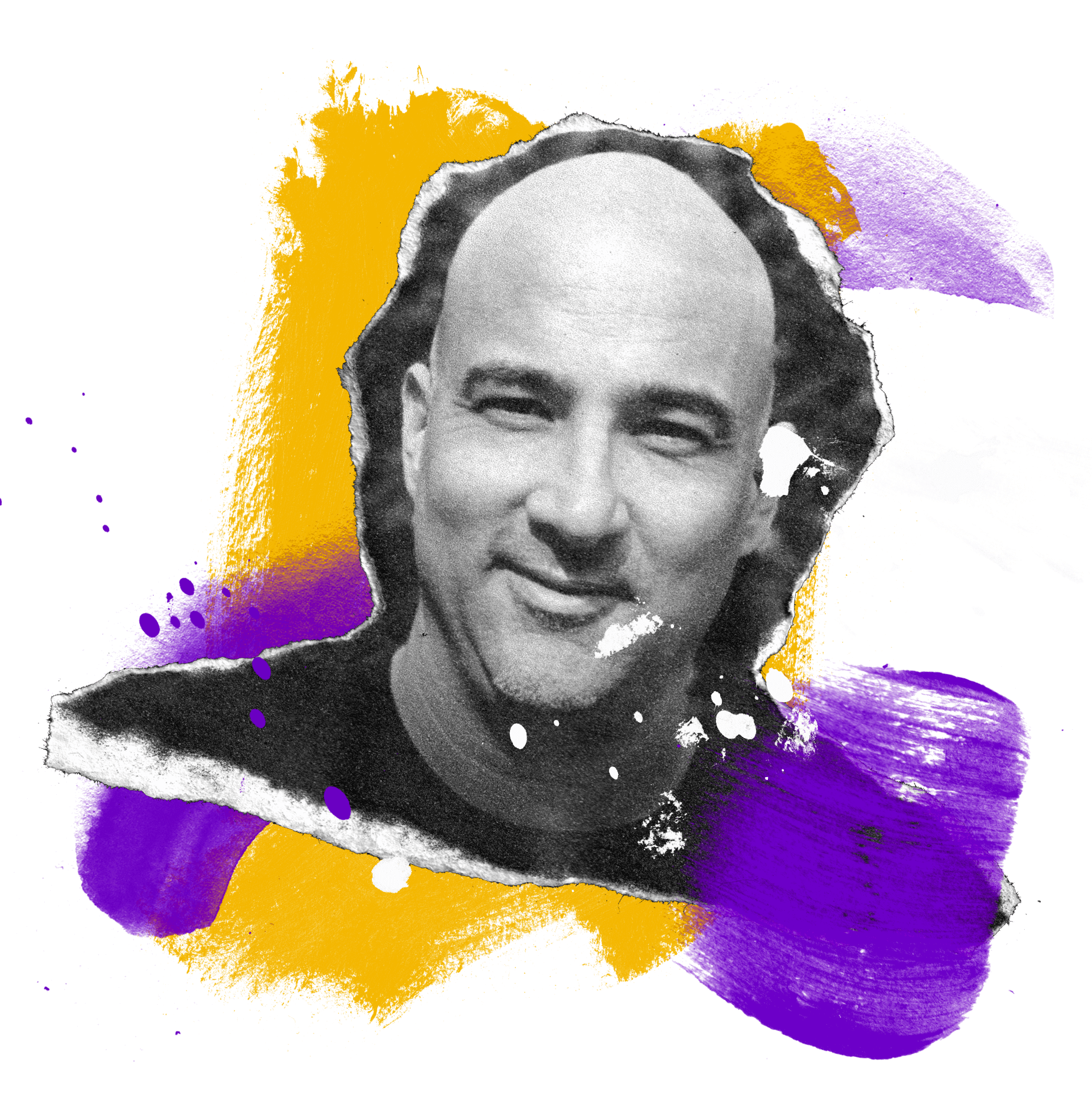
PJ RICHARDSON
BACKGROUND
PJ is the co-founder of Los Angeles-based design and production company Laundry. His succulent, sickly, joyous digital art style is beloved. Never afraid to experiment with new technology and push the boundaries of possibility, PJ is also a prolific speaker, thinker, and mentor. A challenging childhood led him to escape into street art, through which he found great belonging and began his inspiring journey into the creative industry.
THE PROBLEM
PJ felt muddled. He found himself overloaded. As someone who’d experienced misfortune of this nature before, he knew how quickly it could turn, which had him making calls in a scarcity mindset. There was also confusion about how to take steps to a solution while caught up in a busy life as an agency owner and artist.
THE BRIEF
The Pit Stop was a no-brainer for PJ. The fresh eye is invaluable, and despite his well-earned industry reputation, I’d seen the fragility and brain fog in so many others over the years, and had some ideas with which to help him regain control of his direction.
THE OUTCOMES
PJ was wide open, a true student of the game. We discussed new vehicles and methods that might reenergise his personal art, which he felt disconnected from. I challenged him on his willingness to take on everything, and encouraged him to be more intentional about protecting his mental energy. Fatigue and anxiety were problems that we recognised as symptoms of giving a little too much, at the cost of his optimal creativity. We reconsidered what ‘play’ meant to him, and reevaluated its value in his lifestyle and love of creativity. Committed to making tough decisions to grow, PJ felt pumped with an actionable plan to take control of his creativity.

PJ SAYS:
“Going through the Pit Stop with Ben was exactly the creative reboot I needed. I came in feeling lost, really stuck creatively, and frustratingly helpless. But, through our one-to-one, Ben helped me unpack where I was, what I was feeling, and why.
His follow-up, full of sharp observations, inspiring ideas, and specific, actionable suggestions, made me feel deeply understood and gave me a huge boost of motivation and clarity to get back on track with my creative life, on terms I feel really good about. And with, for the first time, a view ahead that doesn’t have me feeling stuck.”
CASE STUDY 2
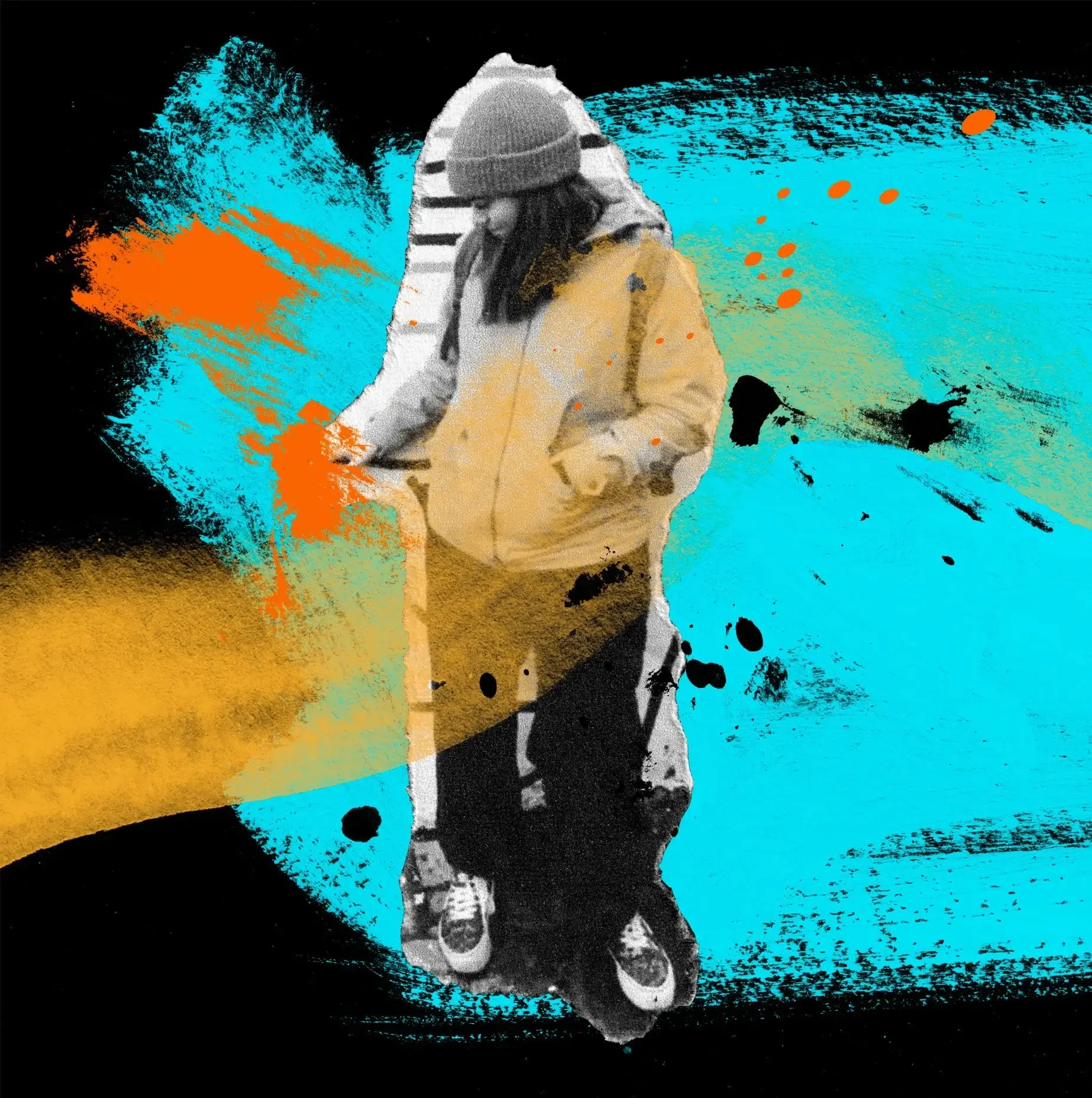
Lauren Goodland
BACKGROUND
Lauren is a Newport-based graphic designer. In her 8 years out of university, she had learned a lot but lost her appetite for her personal work (emotional creativity), which she had not found time or energy to make in recent years, due to confidence and mental health struggles.
THE PROBLEM
Imposter syndrome had crept in. Lauren’s portfolio was technically astute, but her low self-confidence was evident. She had grown as a person, so the personal work she used to do – despite its much-loved, whimsical brand – no longer felt right for the person she’d become. She’d pulled together a competent and impressive portfolio of work from both her job, and side projects, but she lacked belief in it. She also lacked experience in applying for jobs, given the long stint in one role, and doubted she would be up to scratch for other positions.
THE BRIEF
Lauren and I agreed to work together on a PIT STOP audit of her creativity. The session took just over 2.5 hours, in which time we worked through my ‘Anatomy of Creativity’ framework to identify barriers, opportunities, and areas to work on moving forward, so she could establish forward motion.
THE OUTCOMES
I adored Lauren’s offbeat humour. It ran through our email correspondence and our conversation. But when we discussed her personal brand, and I took a look at her portfolio, this character and energy were absent. The humour-work disconnect is incredibly common. People miss the value of the way they see the world, particularly irreverence in a professional environment. This wasn’t about flooding the brand with comedy, but highlighting to Lauren that it was OK to sacrifice perfect grammar and clinical presentation because her magnetic personality would serve her better through tone, casual language, and playful resonance in the work she chose to show.
Lauren felt intimidated by the idea of making new work after a while not doing so, especially sharing it in a public forum. We agreed it would make sense to consider private journalling. This way I felt she would tap into her humour, and feel more comfortable being herself. By committing thoughts and musings to paper, small but crucial first steps in reconnecting with herself were being taken, and would build momentum; the foundation of confidence. By removing the intimidation of context and medium, she would be free to have fun and spend valuable time getting to know her current self outside of the trappings of work (intellectual creativity). Over time, this would provide material for her to evaluate as ideas worth developing visually as only she could. We also covered biophilia, her sense of adventure, challenging habitual routines in her week, the value of shedding guilt around spending time gardening, walking, and doing work around the house, which she’d recently bought with her husband, Josh, instead of perceiving these pleasures as independent from her creativity.
After the PIT STOP, I wrote extensive recommendations to help Lauren move forward and continue the work we’d started, sending her the ‘Anatomy of Creativity’ framework. When we checked back in, she felt much better about her self, the value she’d offer any company, and had some action points for making work that mattered to her.

LAUREN SAYS:
“Having had private therapy for my mental health, our session certainly bridged the gap between traditional therapy and coaching. There was no lying down on a chaise lounge, but a lot of the areas Ben covered crossed over into mental health and wellbeing, ensuring my brain and body work in harmony with my core beliefs and creative passions.
I can't think of anyone more suited to hosting a creative coaching session like this. Ben's extensive knowledge and passion for all subjects and areas of life (not just creative!), impressive back catalogue of written literature and industry experience have made him a font of knowledge. Not to mention, he is super friendly, down-to-earth and hilarious.
Post-session I now have Ben’s very in-depth notes from the session and both creative and non-creative exercises I can do to try and improve those areas that impact my creativity, as well as a Creative Condition map to refer back to in the future.
If you're creative and looking for that full Queer Eye-esque experience, albeit from one straight guy, I'd recommend Ben's creative coaching.”
CASE STUDY 3
CHARLIE BROWN
BACKGROUND
Charlie is a wildly talented musician, playing a range of instruments including violin, viola, mandolin, and guitar, making and producing music for major blockbuster films, video games, and other media. He also remotely records and produces music through his strings production studio Hi&Lo Music. Charlie came to me feeling that he needed some external input on his creativity. Despite the impressive weight of the movies and games on his resume, Charlie knew he needed to express his creativity in other ways, to use his ideas and imagination to make work from the heart, and wasn’t sure how to get out of patterns that weren’t helping.
THE PROBLEM
The nature of Charlie’s work for films and games required travel. Once on the job, he was told clearly what was required for the piece of music. He was grateful for the work, and enjoyed the people and the projects for the most part, but he knew it was on him to take ownership of his work outside of these projects. The travel is tiring. When he returned home, he’d find himself gravitating to other pleasures including cookery, running, and gaming. He is a family man and having missed his family while away, wanted to make up for that too. This had made it hard for Charlie to find any structure or momentum in his emotional creativity, and even when he found it, he’d sell the music, relinquishing control of the final sound.
THE BRIEF
PIT STOP was the one for Charlie. He wasn’t unhappy, but just needed to tweak a few processes that were problematic. I felt a one-session approach, instead of long-term coaching, could be the best fit. The session took just over 3 hours, in which time we worked through my ‘Anatomy of Creativity’ framework to identify barriers, opportunities, and areas to work on moving forward, so she could establish forward motion.
THE OUTCOMES
Charlie loved his work. He knew his strengths, spoke lovingly of the communities his work had given him access to. His home studio was a sanctuary. But it had been some time since he’d committed to playing live, or unashamedly making work that was for him alone. The challenge for me was to identify key areas of his creativity and mindset to unlock, so he could feel more focused and impassioned in the work outside of his commissions. I facilitated a conversation between him and his deathbed self so he could recognise the future regrets he might come to suffer without following his heart while he had the chance, and reflected on the roots of an imposter syndrome I was shocked to hear about. Charlie is a social man, candid in conversation, and I made the mistake of equating openness to confidence. Sometimes a little outside input makes all the difference, so I asked him if he thought he’d have been doing this work, being paid well, respected by his peers and employers for 25 years if he wasn’t great. After that, we honed in on the futility of comparison and shone a big light on the fulfillment his craft brought to his life, which rendered any technical (and probably imaginary) one-upmanship mere schoolyard hijinx unworthy of his attention.
I asked him to consider structuring the days he had in between projects in a way that acknowledged the value and importance of his other pursuits (family, cooking, games, running) and used the nutrition, physical activity, and time in nature/with family to balance the fatigue risks of focusing on the work he was going to make for himself, but also to enhance it. Breaks and outside inspiration are key to optimal creativity. With a structured to-do list, divided into ‘tasks I can do with low energy and little time’, ‘tasks I can do with some time and average energy’, and ‘I feel awesome, let’s change the world’, I felt he could massively up his output in a way that was sympathetic to the rigors of his commissioned work.
I encouraged Charlie to map his needs, home working environment, and local area to be ready when he needed a change of scene or energy, and finally, we immersed ourselves in a discussion about the beauty and power of his music, from an emotional standpoint, how he should create a positive habit of making himself accountable, by showing up for work without fail, to maximise the chances of entering flow, and strengthening his self-belief.
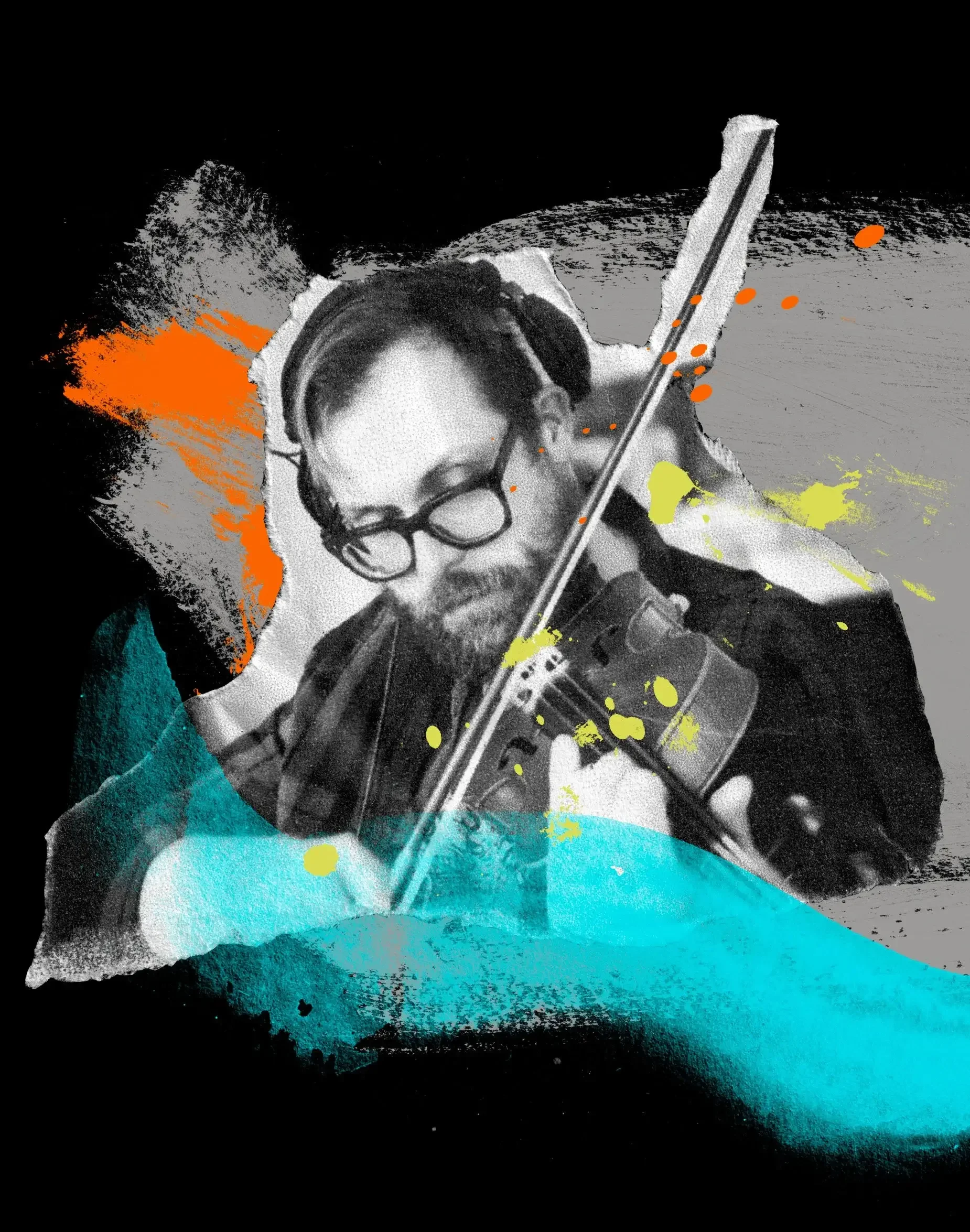

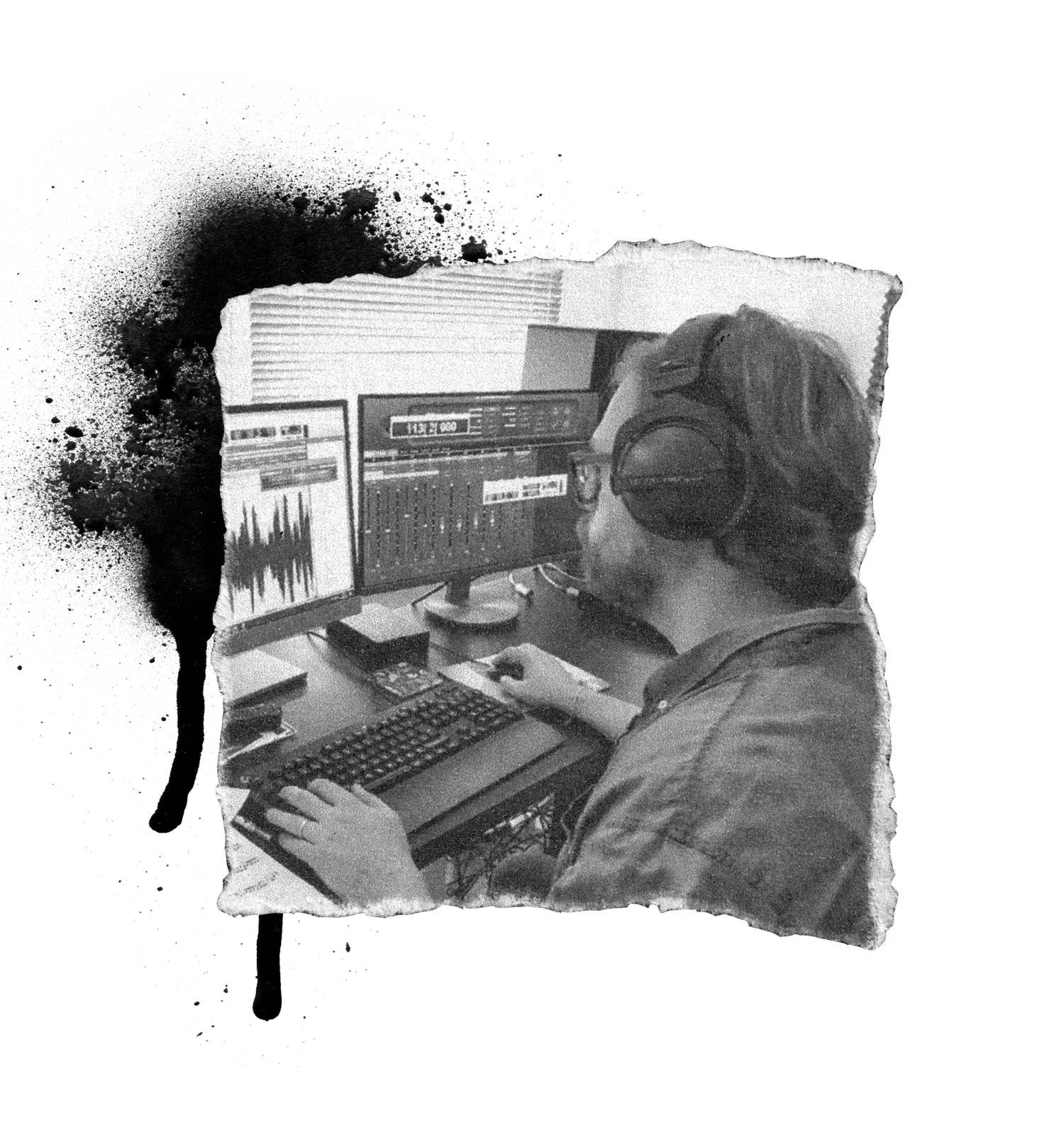
Charlie SAYS:
“Ben had me questioning my own attitudes, beliefs and emotions regarding my work. They definitely made me focus on which bits of the creative process I take for granted, those I relish and others I had overlooked. It was a deeply personal journey into why and how I ended up where I am in music, which aspects of my career I enjoy, and those which I sometimes struggle to love.
Ben also gave some great examples of how I might improve my ability to get into that creative zone as well as prioritise my work in a different way. I honestly felt a bit drained afterward (I find talking about myself is exhausting) but the next day, I felt really energised to crack on and took a lot of what he’d said and ran with it.
The net result was that I finished a project in two days that I’d spent the previous six months trying to work up the energy to get back into.
WHEN I RECEIVED BEN’S notes and exercises a couple of weeks later, the creative energy hadn’t dimmed any, but now I had a means to keep the spark going. By reading, by doing a better job of prioritising my own projects, even changing the scenery, I can work to keep myself fully engaged in being creative in all aspects of my musical life.”
CASE STUDY 4
D&AD
BACKGROUND
D&AD (Design and Art Direction) is an educational organisation that was created in 1962 to promote excellence in design and advertising. This year, 36 New Blood award winning graduates embarked upon the D&AD New Blood Academy programme. Over a number of weeks, the students work with various industry professionals to develop their abilities, ideas, and personalities. I was asked to deliver the SESSION, comprised of ‘The Creative Condition’ talk and hand picked exercises I felt would get the students thinking about their creativity in a different way.
THE PROBLEM
Graduates leave universities with a portfolio, a degree, and the beginnings of a personal brand. But it takes a lot more life experience to build inner authority and a rounded understanding of the self and broader creativity.
THE BRIEF
I’d been through this, and I’ve helped countless others through theirs, so I designed ‘The Creative Condition’ talk to open up the nature of creativity. I knew this was the best way to help others accelerate what had been over 20 years of learning, missteps, wrong turns, and study for me, and get them off to a start that would fortify them for the rest of their careers.
THE OUTCOMES
I tore through the 90-minute talk, which covers everything from working environment, personality, maximising the negative emotion spectrum, and play, right through to the shadow self, primal release, taking control of digital consumption and the unconscious, with a merciful 15-minute tea and toilet break. As I delved into often misunderstood and overlooked aspects of what makes for optimal, sustainable creativity, I saw the students nodding, laughing, and gazing back at me. There were no yawns or phones being pulled out. It was a pleasure to get the chance to speak, essentially, to my younger self. But don’t be fooled – I’ve had people in their 60s, with decades more experience and success than me tell me how this talk has shifted their thinking entirely. Creativity is a mystery even to those who use it like magic. After all, who can see their own big picture and inner workings clearly, given the pace of our lives?


D&AD SAYS:
“Ben's session was an inspiring and honest look into the creative condition; a thoughtful, diverse and engaging workshop that took a wealth of expertise from across Ben's impressive and varied career to support attendees with their own creative development.
a thoughtful, eye-opening, and stimulating session that showcased that creativity lurks at the heart of every pathway, from neuroscience to running your own business!”
MARIE DRYDEN, SENIOR FOUNDATION MANAGER
CASE STUDY 5
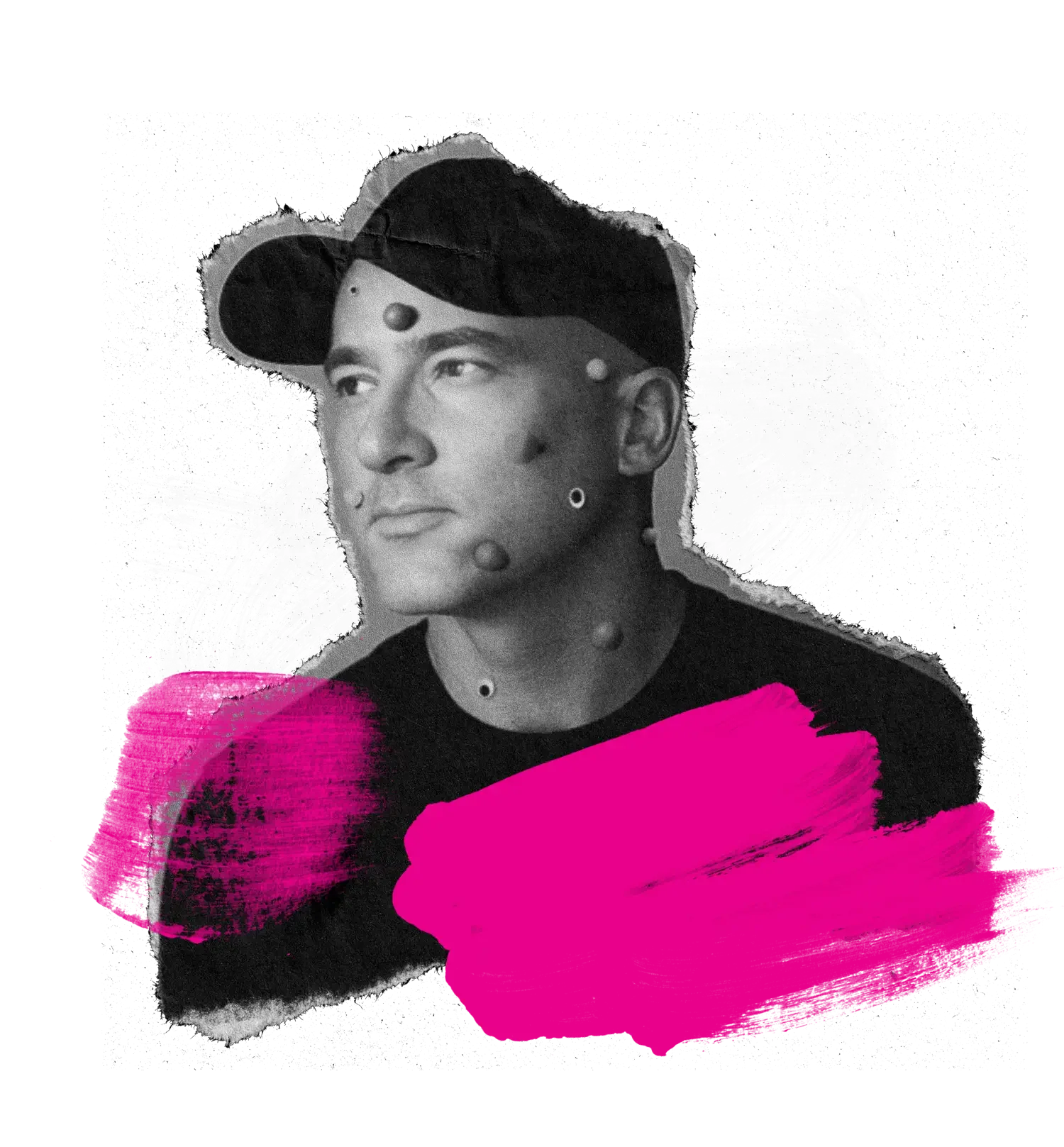
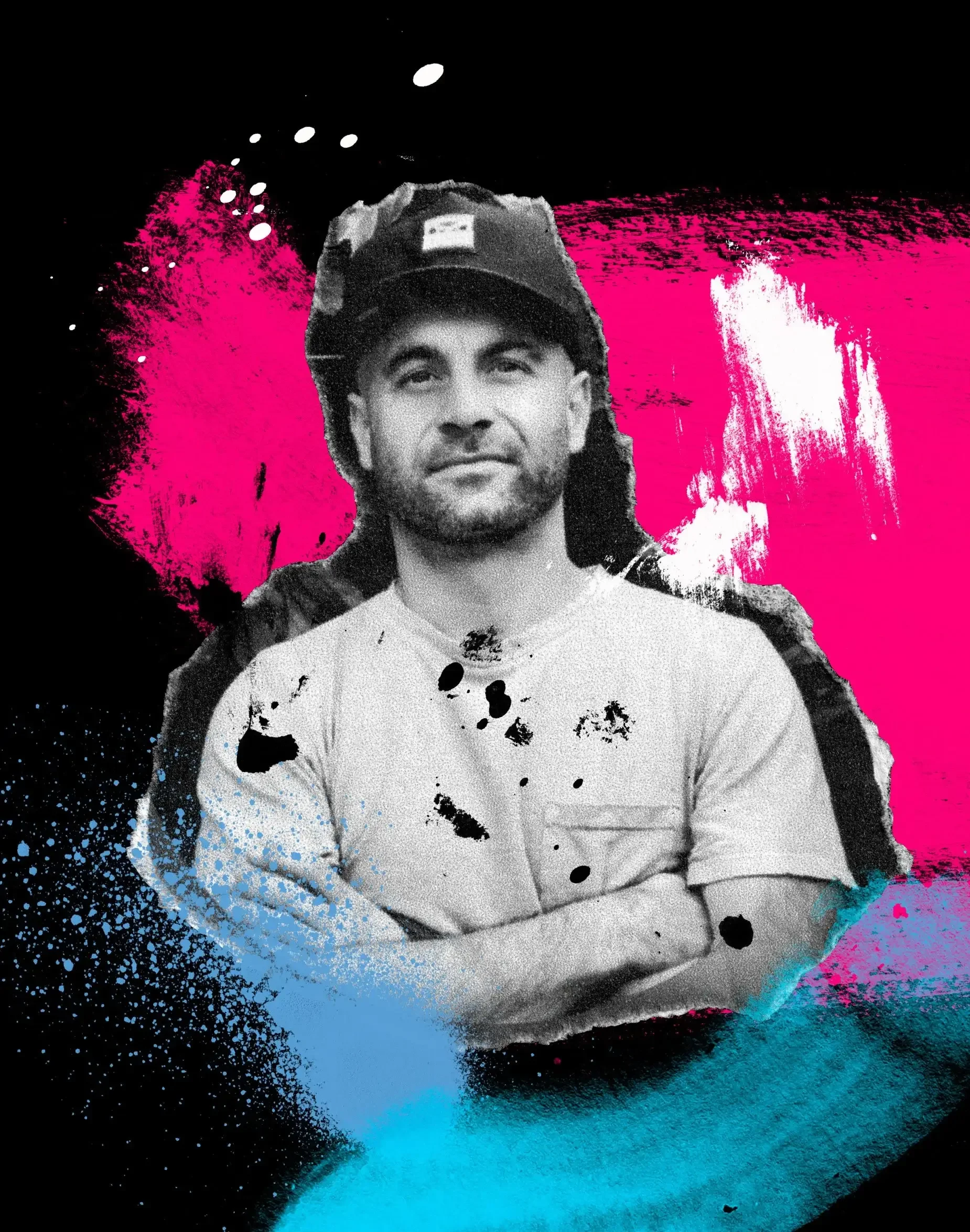
RYAN LUSE
BACKGROUND
Ryan is a California-based designer, animator, and art-director. Following roles at Apple and Google, he set out on his own keen to find his personal brand. Amid big changes and personal challenges, he had to get to know himself better than ever before, adapt to this new landscape, and learn how to move forward true to himself.
THE PROBLEM
Ryan felt a little lost. He knew his skill set and abilities but felt his voice had not been heard towards the end of his tenure in big tech. He had only just begun to rebuild his inner authority and self-belief. Great progress had been made, but Ryan knew there was some way to go. Finances were tight, bringing about the risk of a fear mindset and short-term thinking. We all know this can cause us to turn away from our path, silence our inner voice, and logic our instincts to death, but Ryan had shown courage here and I saw an opportunity to fortify what he’d started. He felt my coaching would bring a valuable, learned, outside perspective.
THE BRIEF
Ryan and I went 4 hours on the PIT STOP and felt a strong enough connection to explore a longer-term relationship. We committed to a 6-month coaching program. I wanted Ryan to drill down into his personality, passions, and ideas, and be playful. He’d made astounding progress despite some real adversity and I felt that in the time frame, we could build enough momentum for him to establish a brand on his terms, with his vision and true self tangible in every aspect of it.
THE OUTCOMES
Ryan gave me everything during our PIT STOP session. He and his partner had come through some serious pain in their lives but had bonded because of it. Her support galvanised him, so in our ‘the vision’ exercise we placed their relationship at the very core of his creativity and dream scenario, and built everything on this foundation. He felt that despite some great times and better people, he’d fallen in line a little too much in some of his previous roles for big companies, surrendering his authenticity, so I encouraged him to focus not just on his portfolio and voice, but to develop an establishing structure that enabled him to bring his natural warmth, enthusiasm, empathy, and desire to help his clients to the table. If he entered each working relationship with this passion and clear, confident brand guidelines on how to get the best out of him, everyone involved would benefit from the clarity and professionalism.
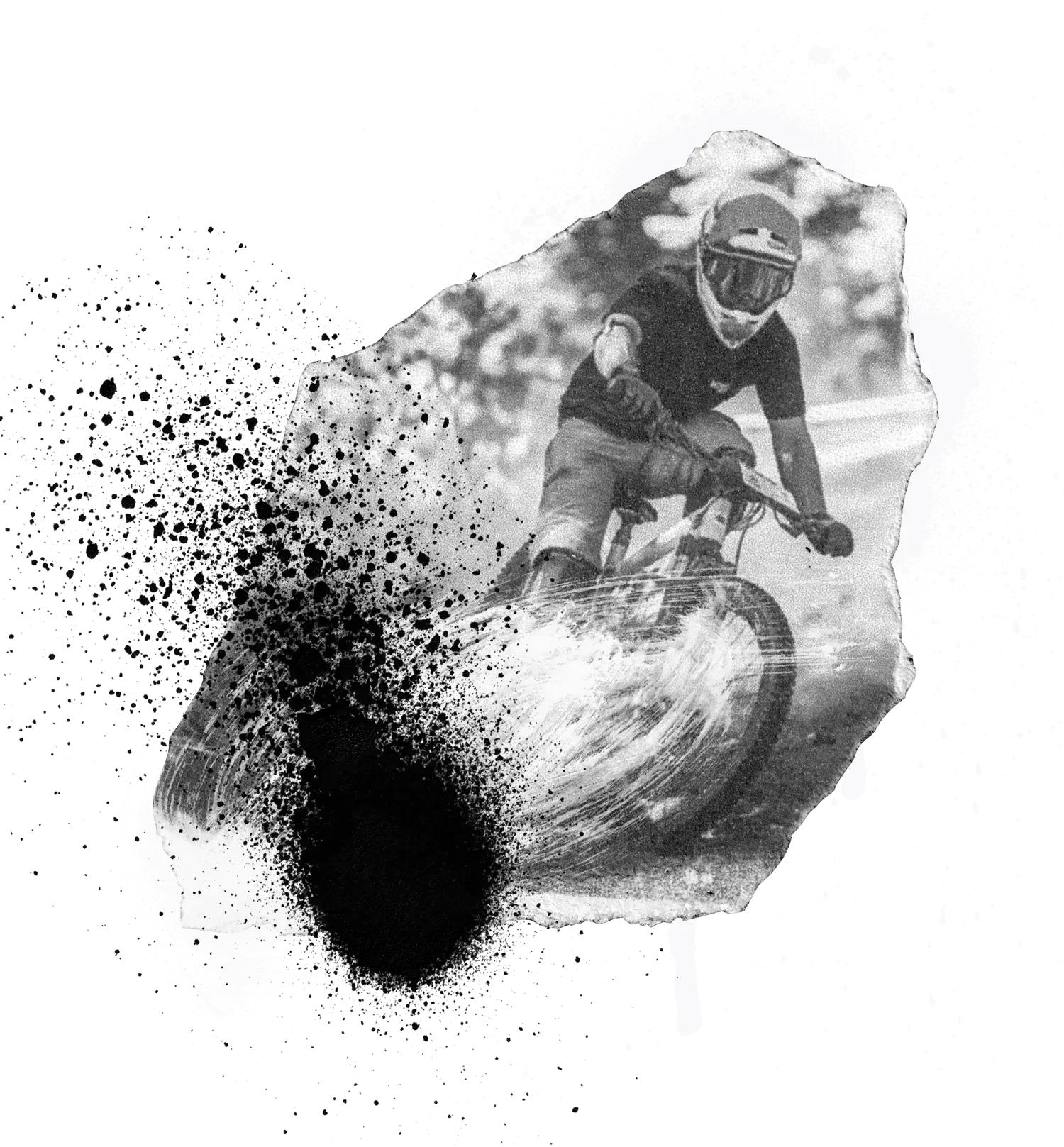
Living in Santa Cruz with many outdoor opportunities, we elevated the role of his beloved mountain biking to more than just a hobby or interest. This was a pursuit that – with a simple scheduling change – would energise his mind and body while filling him with joy. It would aid the flow between his conscious and unconscious minds. This would also serve him a healthy cocktail of biophilia, primal release, and sharpened senses. A little time out of his day would be paid back with interest when he sat at his desk feeling incredible.
Ryan grew in confidence during our bi-weekly sessions and saw new, well-fitting projects come his way, but more importantly, begin leaning into his natural way of doing things. We explored ideas for how he could push himself imaginatively, tapping into the hurt of the last year to evolve his visual style, and he took a leap of faith in sharing his new reel when he’d almost decided to wait for his website to be ready. It almost immediately paid off with a much-needed and great-fitting project. We used this victory to remind ourselves that these breakthroughs – the ones that feel so impossible and unreachable when in a fear mindset – were never likely, but do happen.

RYAN SAYS:
“I’d been seeking something like this for a long time. I remember looking for a ‘creative therapist’, not knowing if that was a thing. Ben’s coaching is what I was looking for.
A LOT OF PEOPLE WOULD BENEFIT FROM BEN’S COACHING. IT’S A VERY, VERY INSIGHTFUL PROCESS.
I have a lot of new found confidence in who I am, not just the work I’ve done in the past.”
CASE STUDY 6
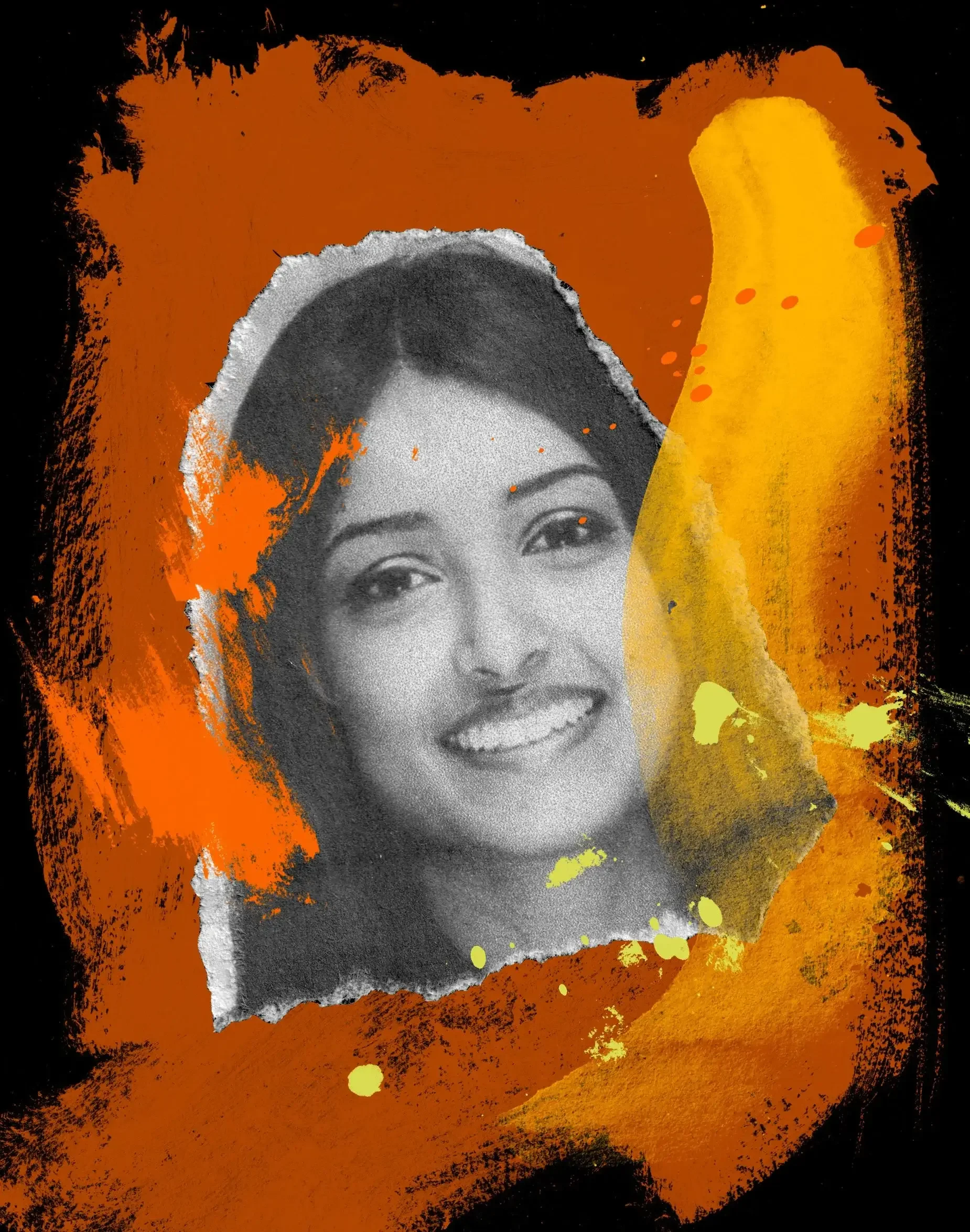
Satvir Sihota
BACKGROUND
Satvir is a senior designer in a full-time, varied role with over 15 years of industry experience. She’d built up a solid resume and enjoyed her work enough but felt like she’d lost a step in her own, personal creativity and wasn’t sure how to tune back in.
THE PROBLEM
Satvir came to me because she wanted to reconnect with her inner artist in her own time. It’s incredibly common to feel like there’s little left in the tank after working long, full-time hours and to stop making work through our emotional creativity as a result. That’s where Satvir found herself, so we agreed that the PIT STOP was the best option for her. From our first call, I felt warmth and curiosity, and she showed glimpses of a great personal story and plenty of artistic desire.
THE BRIEF
Satvir and I met in London to do a PIT STOP. In several cafes, we worked through the ‘Anatomy of Creativity’ framework, focusing on highlighting the best aspects of her job and previous positions; the skills and self-belief she’d acquired, alongside the opportunities and liberties paid employment granted her, allowing freedom to cut loose and express without fear in her own endeavors.
THE OUTCOMES
Satvir was open, keen to paint a rounded picture of herself, and shared previously unseen artistic work that blew me away, including beautifully sparse, moving poetry. This helped me gain a quick, in-depth understanding of her creative origins and inner-child, and the ideas began to flow in no time at all.
Like many artists in employment, we agreed she’d need to be mindful of and sympathetic to her energy flow, not adding unnecessary guilt by setting unrealistic goals that were likely to end badly. So we laid out a ‘tiered to-do list’ with tasks and suggestions bracketed into categories designed for any mood and energy scenario. Little time and less energy? Fine, here are some things to keep your momentum that won’t take long and require only a dash of brain power. Full day and great zest? OK, how about you get into that big thing you’ve been putting off and truly immerse your brain in it?
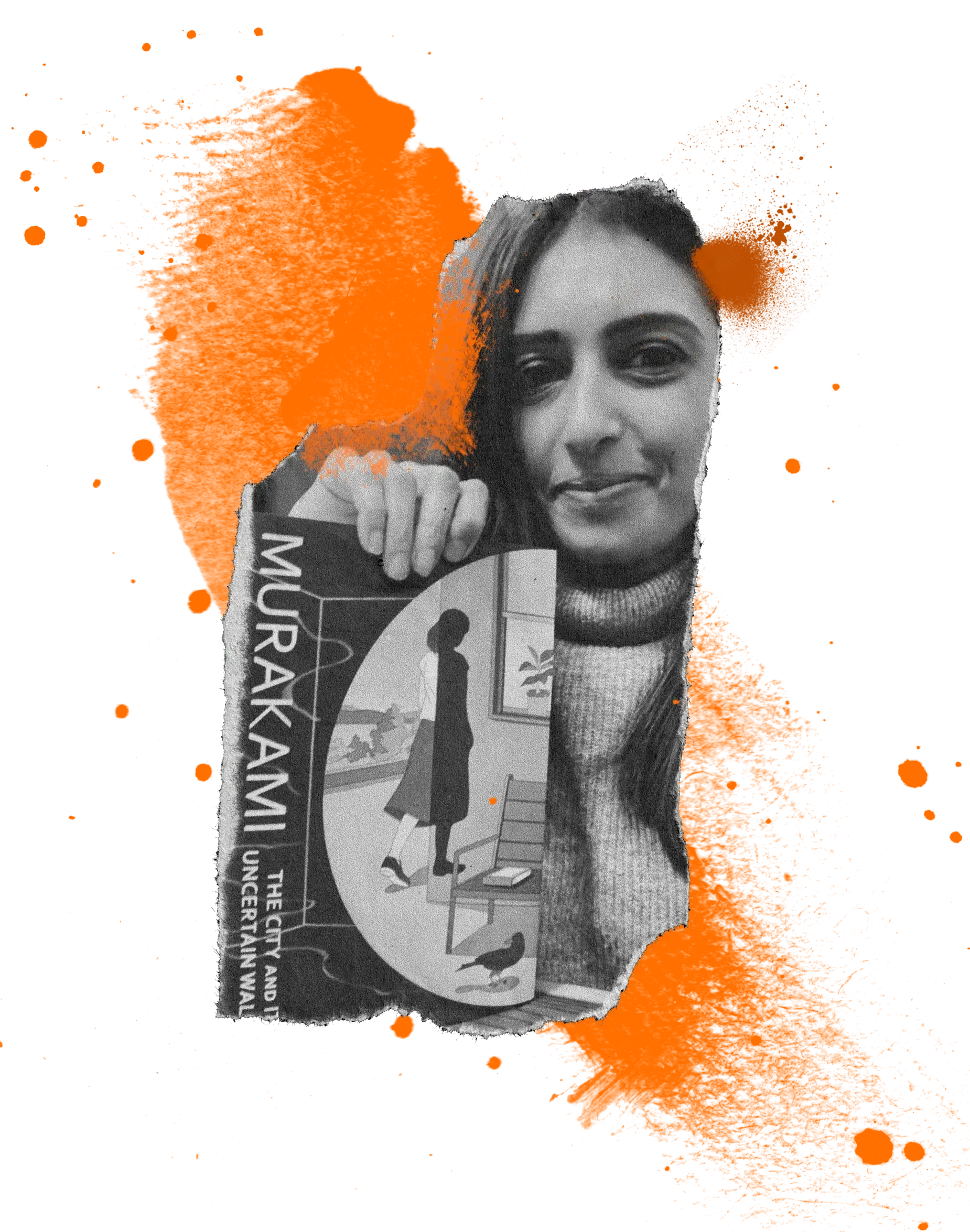
During our lunch break, Satvir and I visited a book shop, where Satvir led me to the books that spoke to her. This was a fun task to see what aspect of her personality and creativity this might let me in on.
In the end, we established an achievable route to stoking the fires of Satvir’s natural curiosity. We did this in a sustainable, actionable way that would enable her to take charge of her own forward motion. It wasn’t long before she was messaging me with progress and fresh ideas.

Satvir SAYS:
“enjoyable and insightful. I loved how Ben mixed up the session and saw that I had an interest in books/bookshops. We went along on a little trip. Ben is great at reading people and picking up small clues that build the bigger self.
I had blind spots in my creativity and creative process, which Ben helped uncover in his thorough write-up after the session. I refer to this often, and it helps bring me back to the conversations we had with the insights that they revealed.”
CASE STUDY 7
Hazel Mead
BACKGROUND
Hazel is an illustrator working across many forms of media. She gained a lot of early-career attention for her wonderful self-initiated projects around common taboos around sex, relationships, diversity, and other aspects of the human condition, which led to her brilliant book by Penguin, Why Aren’t We Talking About This?
THE PROBLEM
Hazel had lost some of her direction, feeling flat and lost and unsure where to channel her energy. This is something I’ve felt a certain career crossroads, and helped others with. We change as we grow in life, and sometimes, we need to correct the course of our creativity accordingly. Hazel spoke of hormonal chaos and its impact upon her mood, something incredibly common for women in varying extremes. She needed a little guidance in steering and shaping her creativity into the next part of her career and life.
THE BRIEF
Hazel and I met in London, and things got deep very quickly. We embarked upon a beautifully intense PIT STOP through which we addressed prominent antagonists in Hazel’s life, mindset, and passions using the ‘Anatomy of Creativity’ framework.
THE OUTCOMES
Hazel recognised that she needed to be kinder to herself. Biological insurmountables were causing problems for her flow and momentum, building damaging levels of self-doubt, and limiting her energy. Hazel’s incredible drive and work ethic clashed with these insurmountables, and she felt unnecessary guilt, which made her question herself.
We put a plan in place to take her foot off the gas a little so she could reattune to her natural rhythms and enjoy time getting inspired, idling more so her magic unconscious could have time to produce the golden ideas I adored in her portfolio and her plans.
We looked at the importance of her sense of adventure, how exploring London and beyond through the vehicle of her work could bring a whole different energy to her studio time.
We made plans to resurrect some of her stronger ideas that had been a little neglected while Hazel had been at her personal crossroads. These ideas screamed Hazel’s magnetic sense of humour and her inspiring observational skills.
Ultimately, it was clear that her playful side was alive and well, merely the victim of a time of transition – an inevitable challenge anyone leading their life with creativity will face many times along the way. Our long discussion and distillation of issues that can overwhelm when left in our heads meant we both finished up feeling encouraged about the path ahead.